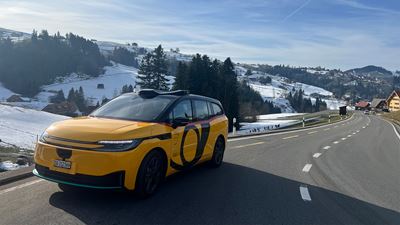
AmiGo, AmiGo technology
Remote Assistance Officers keep an eye on the vehicles
The AmiGo vehicles are currently operated with a safety driver behind the wheel. Once the system has been sufficiently trained and tested, the vehicles will operate without drivers on board. However, they will not be completely unsupervised: the vehicles will be monitored remotely at all times by specialists who can provide support from a distance if required.
Rich Content Section
Step-by-step operation without safety drivers
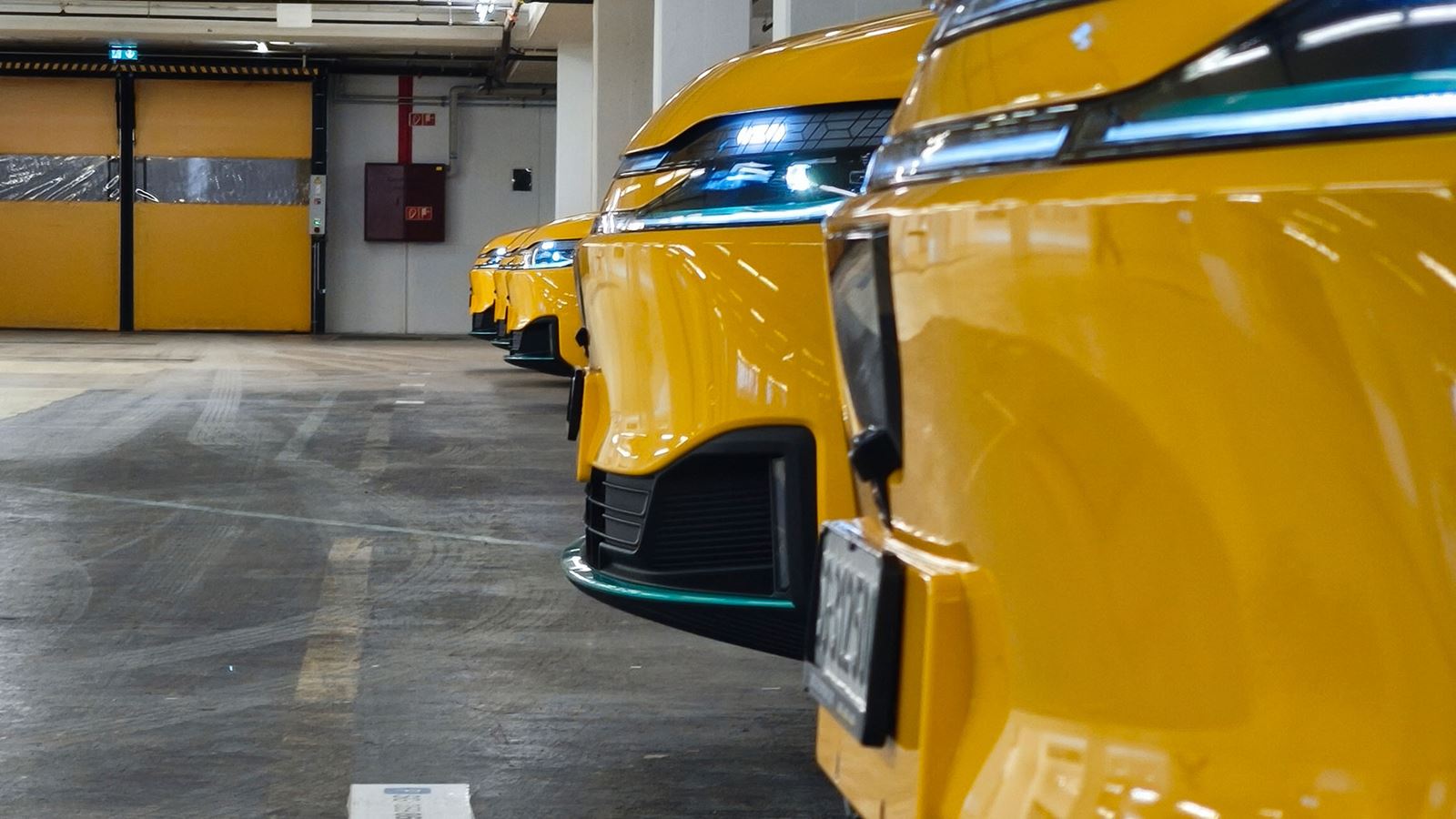
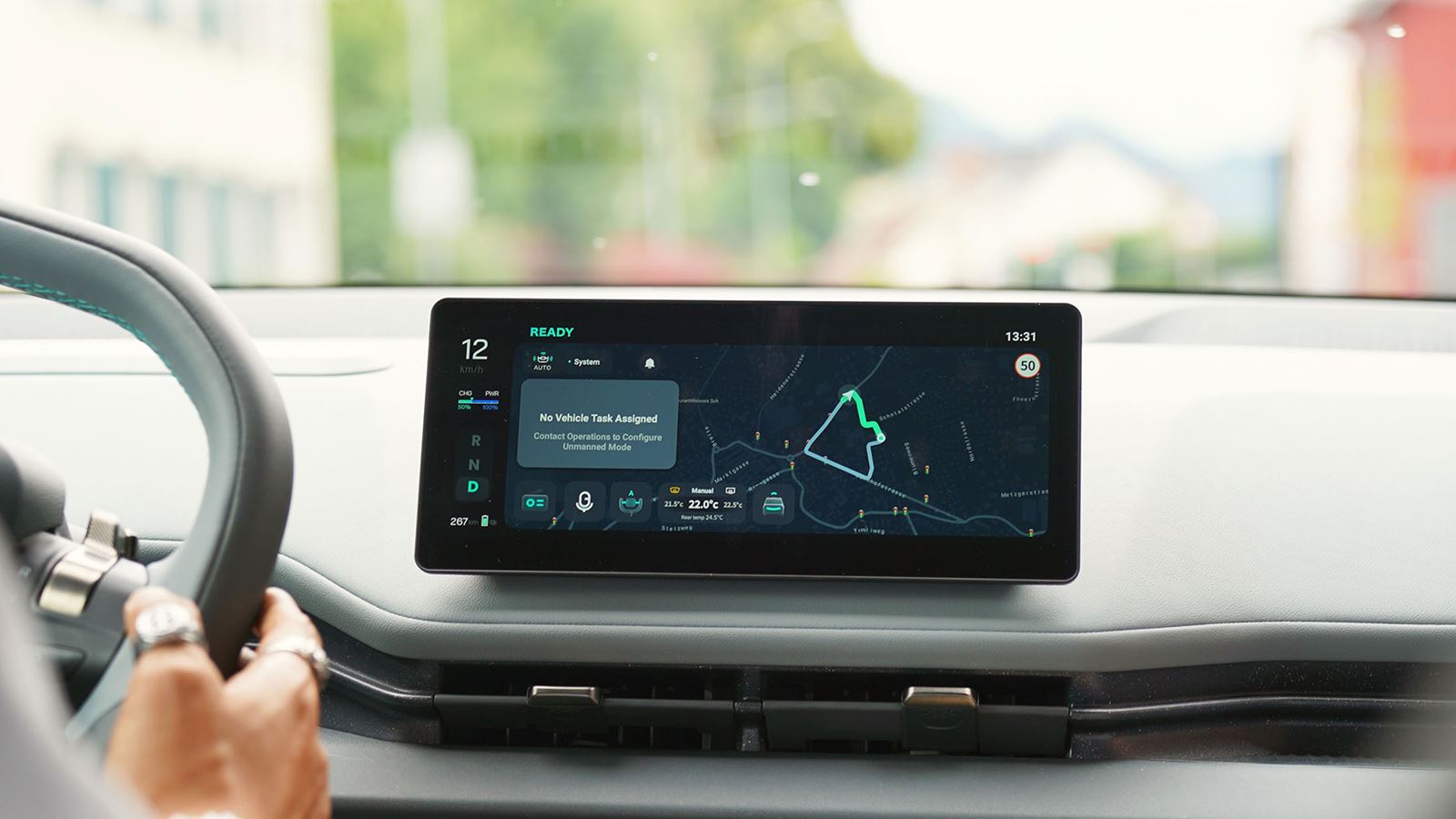
In the current project phase, the AmiGo vehicles already operate autonomously – with a safety driver behind the wheel in every vehicle, who can oversee the training and take control if necessary. The experience obtained from the journeys is evaluated on an ongoing basis. This means that the system’s driving behaviour can be gradually checked and further improved. The vehicles will only operate without safety drivers once they have been sufficiently trained, the necessary proof of safety has been provided and this has been approved by the Swiss Federal Roads Office (FEDRO).
Remote Assistance Officers monitor every vehicle
The AmiGo vehicles will always be supervised by humans – even if there is no longer a safety driver on board in the future. Driving behaviour and the traffic situation are continuously monitored by a trained specialist. If a vehicle requires support, this Remote Assistance Officer can assess the situation based on the information transmitted from the vehicle and take appropriate steps.
They can instruct the vehicle to stop safely or to recalculate its route, for example. If a vehicle comes to a standstill in traffic, the Remote Assistance Officer can help it to get out of the situation. Passengers can also ask for support at any time: they can contact a specialist directly via a button in the vehicle and request assistance if they have any questions.

New tasks for experienced employees
Today’s safety drivers will be given specific advanced training so that they can monitor the vehicles from a distance in the future. They have valuable experience from the test runs, know how the vehicles work and are familiar with the special conditions in the area of deployment. They will be able to put this knowledge to good use in a new remote monitoring role at a later date. This shows how autonomous driving is also creating new, long-term job profiles.
The relevant specialists are based in the AmiGo depot in Altstätten. This means that the vehicles will be monitored directly from within the region by people who are familiar with Swiss traffic regulations. This local connection is an important aspect of ensuring the reliable operation of AmiGo.